

Buy Fresh Roasted Coffee Online: 2026 Guide
Table of Contents
- What Makes Fresh Roasted Coffee Worth Buying Online
- How to Choose Coffee Beans: Single-Origin vs. Blends
- Coffee Roasted to Order: Why It Matters for Freshness
- Buy Whole Bean Coffee Online: Sample Packs vs. Full Bags
- How to Store Coffee Beans and Maintain Freshness Post-Delivery
- Verifying Roast Freshness: What to Check Before and After Ordering
- Shipping Speed and Delivery: What to Expect When You Order Online
- Conclusion: Making Your First Online Fresh Roasted Coffee Purchase
- Frequently Asked Questions
Last Updated: October 5, 2026
What Makes Fresh Roasted Coffee Worth Buying Online
When you buy fresh roasted coffee online, you're getting coffee roasted days, not weeks, before it reaches your door. At Cassien Alan Coffee, freshness changes everything: coffee roasted last week tastes alive, while coffee roasted last month tastes flat.
Most grocery store coffee sits on shelves for months, and the volatile aromatics that make coffee taste complex and vibrant fade before you brew it. Online roasters solve this by roasting to order and shipping immediately after.
Whole bean coffee begins losing flavor intensity within two weeks of roasting.
Convenience matters too. Remote workers can set up a subscription and never run out, ethically conscious buyers can verify sourcing from roasters who name their growers, and enthusiasts get single-origin beans and flavor profiles local shops often don't stock.
How to Choose Coffee Beans: Single-Origin vs. Blends
Single-origin coffee comes from one specific region or farm. A blend combines beans from multiple origins. Both have their place, and the choice depends on what you want from your cup.
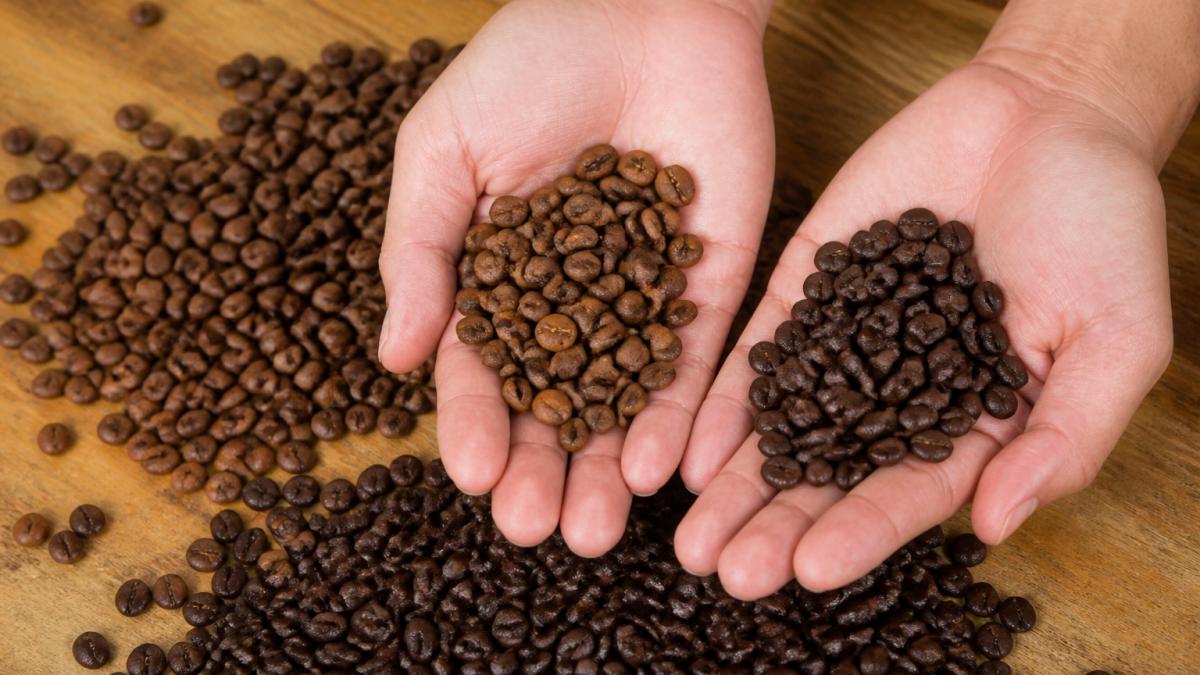
Single-Origin Coffees and What Origin Details Tell You
Single-origin coffees let you taste the terroir: the soil, altitude, and climate where the beans grew. "Ethiopia Sidama" or "Peru Piura" on a label signals a distinct flavor profile shaped by geography.

Origin details matter. Ethiopia's Sidama zone typically yields fruity, floral notes from its altitude and volcanic soil, Peruvian high-altitude coffee tends toward balanced sweetness with citrus, and Brazilian coffee delivers smooth, chocolatey flavors. These aren't random, they're tied to growing conditions.
Cassien Alan Coffee's Single Origin Favorites Sample Pack ($24.99) gives you six 2-ounce samples across different regions: Brazil Santos with cocoa notes, Colombia with dried orange and chocolate, Costa Rica with apple and honey, Ethiopia with milk chocolate and fruit, Honduras with caramel and spice, and Tanzania with pear and floral notes.

Altitude is one of the most useful details to understand. Higher-altitude coffee grows more slowly, concentrating sugars and creating more complex flavors, so look for coffees grown above 1,200 meters, where specialty-grade typically starts.
Blends vs. Single Origins: Which Suits Your Taste
Blends combine beans from different origins for consistency and balance.
Single-origins are the opposite: more variable, because you're tasting one specific harvest from one place. Some years taste brighter, others earthier. That variability appeals to explorers and frustrates anyone who wants consistency.
For espresso, blends often work better. The milk in a cappuccino or latte can mute the delicate notes that make single-origins special. For pour-over or French press, single-origins shine because nothing masks their character.
Cassien Alan Coffee's Best Sellers Sample Pack ($24.99) includes both: the 6Bean Blend (dark roast, great for espresso), Cowboy Blend (dark and medium mix with cocoa and caramel), and Breakfast Blend (medium, smooth South American blend), plus single-origins like Peru and Mexico.

| Coffee Type | Best For | Flavor Profile | Consistency |
|---|---|---|---|
| Single-Origin | Pour-over, French press, cold brew | Unique, region-specific notes | Varies by harvest |
| Blend | Espresso, milk-based drinks | Balanced, intentional | Consistent year-round |
Coffee Roasted to Order: Why It Matters for Freshness
Coffee roasted to order means the roaster waits until you place your order, then roasts your beans specifically for you, the opposite of the standard retail model where coffee is roasted in bulk and sits in inventory.
The difference is measurable. Roasted-to-order coffee reaches peak flavor 3-5 days after roasting, when CO2 has settled but the aromatics are still vibrant.
Cassien Alan Coffee roasts to order specifically to preserve vibrant flavors and natural character. When you order, your beans are roasted and shipped within days, not weeks. This approach means you're always getting coffee in its prime window.
The downside is timing. Most roasters ship within 3-5 business days, so if you need coffee immediately, specialty shop bags are faster. But if you can plan a few days ahead, roasted-to-order delivers a noticeably better cup.
Buy Whole Bean Coffee Online: Sample Packs vs. Full Bags
When you buy fresh roasted coffee online, you're choosing between sample packs and full-size bags. Each serves a different purpose.
Starting with Sample Packs to Find Your Favorites
Sample packs are 2-ounce portions, usually sold in sets of 4-6 coffees. They cost more per ounce than full bags, but let you try multiple coffees without committing to a pound you might not like.
Cassien Alan Coffee offers two main sample packs. The Single Origin Favorites Sample Pack ($24.99) covers six origins: Brazil, Colombia, Costa Rica, Ethiopia, Honduras, and Tanzania. The Best Sellers Sample Pack ($24.99) includes three house blends plus Peru, Mexico, and Bali single-origins.
Sample packs make sense if you're new to specialty coffee or exploring brewing methods. A 2-ounce sample makes about 3-4 cups, enough to form an opinion without waste.
The math: a sample pack costs about $4.17 per origin for six coffees. A full 12-ounce bag costs $22.99, or about $1.92 per ounce.
Full-Size Bags and Pricing Breakdown
Full-size bags are typically 12 ounces and cost $22.99 at Cassien Alan Coffee for single-origin coffees and house blends, making roughly 12-16 cups depending on grind and brew method.
Here's the pricing across Cassien Alan Coffee's lineup:
| Product | Size | Price | Price Per Ounce | Best For |
|---|---|---|---|---|
| Sample Packs | 2 oz × 6 | $24.99 | $2.08 | Exploration, trying new origins |
| Single-Origin Full Bags | 12 oz | $22.99 | $1.92 | Committed coffee drinkers |
| House Blends | 12 oz | $22.99 | $1.92 | Consistent, everyday coffee |
| Flavored Sample Pack | 2 oz × 6 | $24.99 | $2.08 | Trying flavored varieties |
Single-origin options include Peru ($22.99), Ethiopia Natural ($22.99), Colombia ($22.99), and Brazil Santos ($22.99). House blends include the House Blend itself, Cold Brew Coffee blend, and French Roast, all at $22.99 for 12 ounces.
If you drink coffee daily, full bags make financial sense: a 12-ounce bag lasts about two weeks for an average home brewer, and subscription discounts stretch your dollar further. For occasional drinkers still figuring out their preferences, sample packs are worth the premium.
Single Origin Favorites Sample Pack →
How to Store Coffee Beans and Maintain Freshness Post-Delivery
Once your fresh roasted coffee arrives, storage determines how long it stays fresh. Most home brewers get this wrong.
Coffee's enemies are air, light, moisture, and heat, all of which accelerate staling. Minimize exposure while keeping your beans accessible.
The best container is airtight and opaque, like a ceramic or glass jar with a rubber gasket.
Store the container in a cool, dark place, like a cabinet away from the stove.
Grind only what you need immediately before brewing. Ground coffee stales faster than whole beans because grinding exposes more surface area to oxygen. If you grind ahead, use it within 24 hours.
A 12-ounce bag stays fresh about 4 weeks in an airtight container; after that, flavors flatten noticeably.
Verifying Roast Freshness: What to Check Before and After Ordering
Before you order, verify that the roaster actually commits to freshness. After your coffee arrives, check that it matches what you ordered.
Before ordering: Look for a roast date on the product page or bag description.
Read the description for altitude and processing details. Higher altitude (above 1,200 meters) and specialty-grade beans indicate quality. Processing method affects flavor and shelf stability.
After ordering: When your coffee arrives, check the roast date on the bag. It should be within the last 5-7 days.
Open the bag and smell it. Fresh roasted coffee has a strong, vibrant aroma. Stale coffee smells flat and dull.
Brew a small batch and taste it. Fresh coffee tastes bright, complex, and balanced. Stale coffee tastes thin, bitter, and one-dimensional. If your coffee tastes off, contact the roaster.
Shipping Speed and Delivery: What to Expect When You Order Online
When you buy fresh roasted coffee online, shipping speed affects freshness. Slower shipping means older beans arrive at your door.
Most online roasters ship within 3-5 business days of your order, and Cassien Alan Coffee prioritizes fast, reliable fulfillment to preserve vibrant flavors.
Calculate the total time from roast to cup. Beans roasted Monday, shipped Tuesday, and delivered Friday are 4 days old, still in the prime window.
Check the roaster's shipping policy before ordering. Do they ship nationwide, or limit regions to ensure faster delivery? Is shipping free or charged separately?
For remote workers and busy professionals, subscription options matter. If Cassien Alan Coffee offers a subscription service, recurring deliveries on your schedule mean you never run out and always get fresh beans.
The trade-off between speed and cost is real: faster shipping costs more but delivers fresher coffee, while slower shipping saves money but ages your beans in transit. Standard shipping (3-7 days) is a reasonable balance, still far fresher than retail without premium expedited rates.
Conclusion: Making Your First Online Fresh Roasted Coffee Purchase
Buying fresh roasted coffee online removes the guesswork from finding quality coffee: beans roasted to order, shipped quickly, and delivered at peak freshness, from roasters who prioritize quality and sustainability over inventory turnover.
Start with a sample pack to explore origins and flavor profiles, then move to full-size bags for better value. Store beans in an airtight container away from light and heat, and grind just before brewing.
At Cassien Alan Coffee, we roast in small batches from ethically sourced, sustainable farms to ensure vibrant flavors and natural character in every cup. Whether you choose single-origin beans like our Peru ($22.99) or explore our Best Sellers Sample Pack ($24.99), you're getting coffee crafted to fuel your ambition. Add to cart and experience the difference that roasted-to-order freshness makes.
Frequently Asked Questions
How can I tell when coffee beans were roasted?
Check the roast date printed on the bag, this is the most reliable indicator. Fresh roasted coffee should be roasted within the last 2-4 weeks. Cassien Alan Coffee prints the roast date clearly on every bag so you know exactly when your beans were roasted. Beans roasted to order are fresher than those sitting in warehouses, and they'll have visible oils on the surface and a strong aroma when opened.
Should I buy whole-bean or ground coffee online?
Whole bean coffee stays fresher longer because the beans release flavor and aroma only when ground. Once ground, coffee begins losing its character within minutes. If you want to buy fresh roasted coffee online and preserve that quality, whole beans are the better choice. You'll need a grinder at home, but the flavor difference is significant, especially with specialty single-origin coffees where origin details and roast character matter most.
What should I look for when choosing coffee beans online?
Look for the roast date, origin details (country and region), altitude, and tasting profile. Single-origin beans let you explore specific flavor characteristics tied to where they're grown. Check if the roaster uses roast-to-order practices, which guarantees freshness. Read the grower information and processing method to understand the coffee's story. Start with a sample pack to try multiple origins before committing to full bags, and match the roast level to your brewing method, lighter roasts work well for pour-over, darker roasts for espresso.
How should I store freshly roasted coffee beans?
Store whole beans in an airtight container away from direct sunlight, heat, and moisture. A sealed bag with a one-way valve works well if you keep it in a cool, dark cupboard. Avoid the fridge or freezer unless you're storing beans long-term, as moisture and temperature swings damage flavor. Use your beans within 3-4 weeks of the roast date for peak freshness. Once ground, use the coffee within 15 minutes for best results. Proper storage preserves the vibrant flavors and natural character roasters work hard to develop.